Friday, February 27, 2009

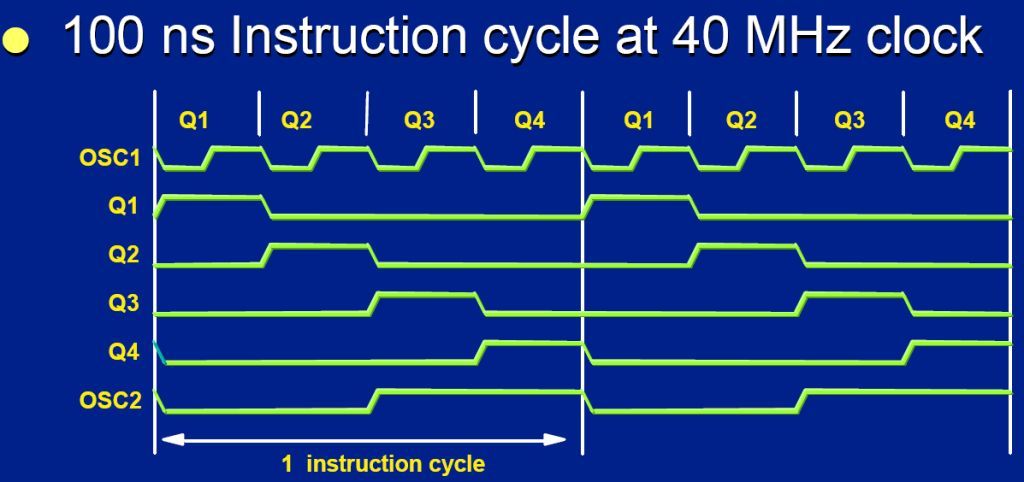
System Clock


An electronic device in a computer that issues a steady high frequency signal that syncronizes all internal components

Scanner


A digitalizing imager

Read only memory (ROM)


A class of storage media

Random Access Memory (RAM)


Form of computer data storage.

Pointer


Programming language data type.

Plotter


A grahics printing device

Output devices


piece of computer hardware used to communicate the results of data proccessing

Optical Storage devices


Readable storage data.

Network drive

Mouse


Palm sized button operated device.

Thursday, February 26, 2009

Motherboard


The main circuitry of a computer.

Memory


The capacity of a computer to store information.

Main Memory


Storage device used by a CPU.

Keyboard


A set of keys to enter into a computer.

Wednesday, February 25, 2009

Instruction Cycle (I-Cycle)


The proccess of the machine language

Input Devices


A device used to enter information on a computer.

Printer


An output device that copies on paper or alphanumeric or graphic data.

Hard Drive Disk


A disk containing a hard disk.

Tuesday, February 24, 2009

Execution Cycle (E-Cycle)


When a computer obeys the instructions of a computer program.

DVD


A disk that can store large amounts of digital data.

Controller


The most important component in a peripheral device.

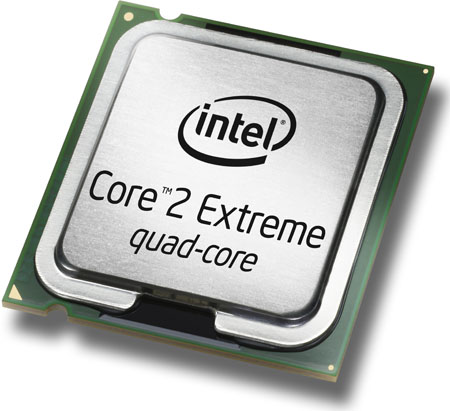
Central Processing Unit (CPU)


Most important important component of a computer system.

CD-Rom


A compact disk.

Byte


Eight bits.

Monday, February 23, 2009

Tuesday, February 17, 2009

What are the importance of computers?


Computers are very important in the fast paced world we live in today. Most likely in the future technology will improve. It could probably improve to the point where we will be able to clone humans, and build high tech robots to be able to do what we want them to do. I would say technology has improved since the past because just years ago we couldn't even use the internet that we have today. Back then we were lucky if there was one simple program that our computer can hold today we can pretty much have as many programs as we could possibly want on our computer because we can just purchase more memory. For example Flashdrives they can come in 64 mb to 1 or even 2 tb. Technolgy has made a lot of improvement within the last 30 years and im sure within the next 30 years it will make even more improvements.

Friday, February 13, 2009

Why are computers so popular?


Computers are very popular because they let us view information without having to travel to sources for example the library, or or a certain place. It also lets us buy things at the click of a button where they can ship it right to their house without them even have to go to the store to get it. Making everything easier for really busy people.

Thursday, February 12, 2009

Wide Area Networks (WAN)


A computer network that can span farther then a Local Area Network (LAN)

Supercomputers


A computer that is among the large, fast, and most powerful available to date

Software


Programs used for the operations of the computer

Sender


a transmitter of pulses

Receiver


A device that receives electrical signals

Protocol


The rules control the format of messages that are exchanged between computers

People


human beings

Notebook Computer


Compact portable notebook

Network


Used to transmit or exchange information

Minicomputers


A medium sized computer that usually fits within a single cabinet

Micro Processor


A computer circuit that controls the functions of a computer

Microcomputer


A compact inexpensive computer

Mainframe Computers


A big computer serving in between 100-400 users

Local Area Network (LAN)


A system that links a number of computers

Internet


A big computer network connecting smaller computer networks worldwide

Hardware


Device composed for a computer system

Wednesday, February 11, 2009

Data Communications


Information that has been encoded for storage

Data


One single piece of information

Computer System


A sytem of one or more computers

Computer


A device made to accept data

Channel


The direct route for the transfer of signals or data